2026, global: Faith-centered reading remains resilient while demand patterns get lumpier and more personalized. For religious publishers, this means fewer assumptions and more precision—shorter runs, premium finishes where it matters, and supply chains that flex without sacrificing quality or stewardship.
For religious publishing stakeholders, this piece maps how print manufacturing is evolving in 2026 and what to do next—grounded in recognized standards and credible research. It focuses strictly on book printing trends relevant to faith-based titles.
What’s Changing for Faith-Based Print in 2026
Hybrid Production: Short-Run POD With Offset for Peaks
Definition & status: Publishers pair short-run, near-real-time print-on-demand for long-tail devotionals and study guides with offset for peak seasons, special editions, and large catechetical or Bible programs.
Drivers: demand variability across congregations, fewer returns, faster replenishment for ministry calendars, and tighter working capital.
Data support: Print remains the most popular reading format among U.S. book readers; about three‑quarters of adults read a book in the past year, per Pew Research Center (2023). Industry organizations note print’s durability and discoverability remain core to engagement.
Impact: shorter lead times for backlist ministry resources; optimized mix reduces warehousing while preserving craftsmanship where congregations expect it.
Premium Bindery for Scriptures and Devotionals
Definition & status: Smyth‑sewn or reinforced PUR, lay‑flat, gilded edges, and fine leathers/cloths in premium Bibles and prayer books; durable laminates for high‑use devotionals and study workbooks.
Drivers: lifetime use expectations for sacred texts, gifting traditions, and the role of physical permanence in faith practice.
Data support: Permanence and archival stability are codified by standards such as ISO 9706 and color process control by ISO 12647‑2, which underpin consistent, long‑lived print quality.
Impact: higher ASPs and lower complaint rates for cornerstone titles; clearer differentiation between keepsake editions and everyday study formats.
Sustainable Papers and Chain‑of‑Custody
Definition & status: Wider use of responsibly sourced substrates and inks, documented through certification and auditable lab practice.
Drivers: stewardship commitments by faith communities, retailer requirements, and institutional procurement policies.
Data support: The Forest Stewardship Council reports 200M+ hectares of FSC‑certified forests worldwide, supporting reliable certified‑paper supply for religious titles.
Impact: transparent sourcing for Bible paper and devotional stocks; credible sustainability claims for congregations and donors.
Metadata‑Linked Print & Smarter Replenishment
Definition & status: Better ONIX metadata and sell‑through signals drive automatic short runs, version control for liturgical calendars, and fast color‑accurate reprints.
Drivers: e‑commerce spikes tied to holidays and events, faster curriculum updates, and omnichannel inventory visibility.
Data support: The EDItEUR ONIX standard enables richer product data exchange across retailers and printers, reducing mismatched specs and rework.
Impact: fewer backorders for seasonal devotionals; lower obsolescence for dated study materials.
Data‑Driven Outlook for 2026
 -
-
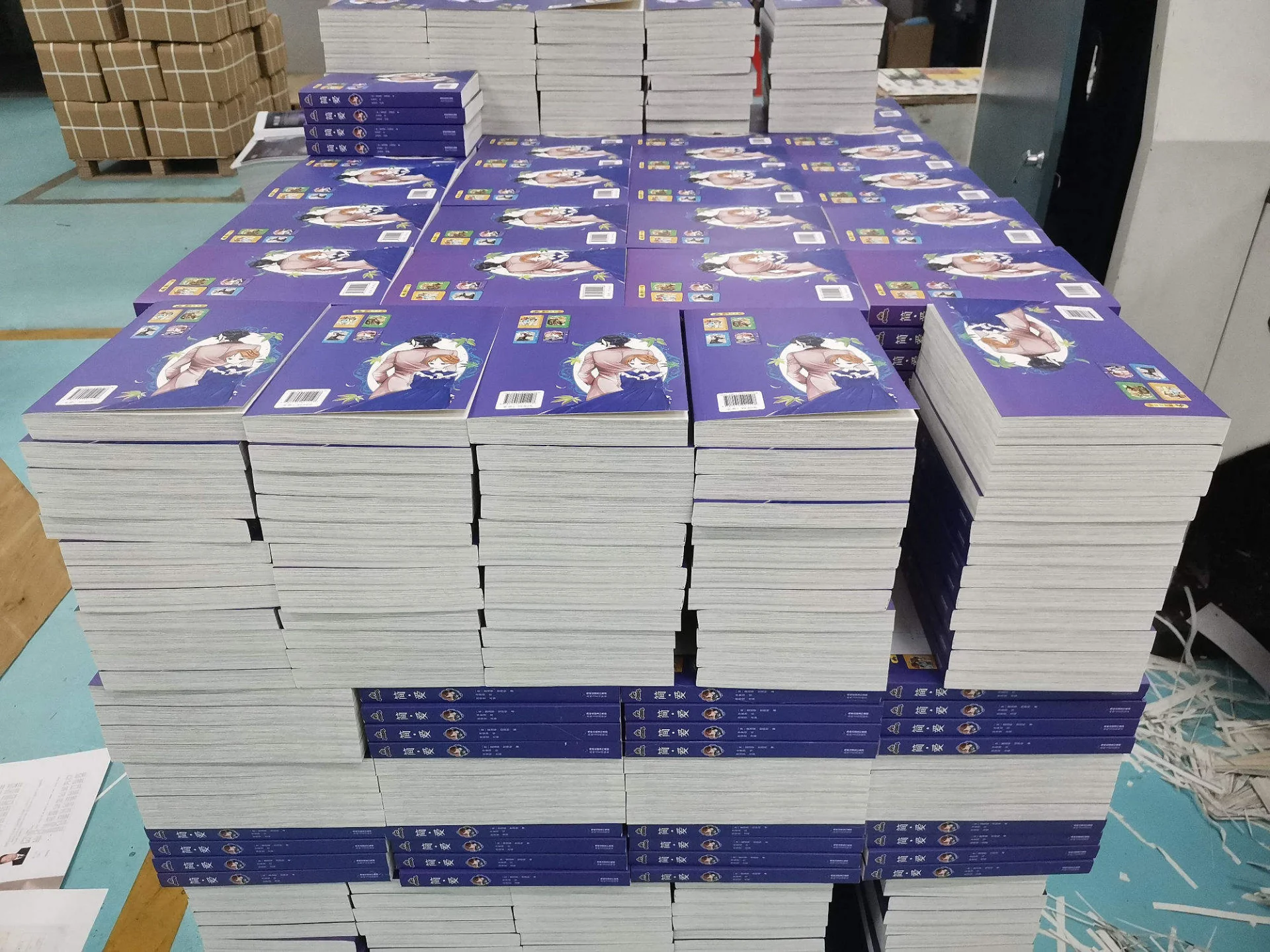
Forecasts point to continued resilience of print in faith publishing with faster replenishment cycles and rising certified‑paper adoption. Projections remain uncertain—seasonality, fundraising, and curriculum updates can swing volumes. The safe bet for 2026: flexible mixes and auditable quality.
| Area | Reference | Why it matters |
|---|---|---|
| Color & process | ISO 12647‑2 | Repeatable, cross‑plant color for consistent hymnals and devotionals |
| Permanence | ISO 9706 | Paper longevity metrics for scripture and archival works |
| Responsible sourcing | FSC / PEFC | Chain‑of‑custody documentation for certified papers |
| Metadata exchange | ONIX | Cleaner specs, fewer reprints, faster replenishment |
Opportunities and Challenges
Opportunities: faster backlist availability via POD; premium keepsakes that reinforce spiritual value; credible sustainability signaling; kitting ideas that bundle books with faith accessories from vetted partners, including packaging that coordinates with a Fashion Bracelet OEM or a trusted Fashion Bracelet supplier for gift sets.
Challenges: color consistency across platforms; global paper mix volatility; balancing eco‑claims with readability on ultra‑thin Bible papers; data hygiene in ONIX and inventory signals.
Actionable Playbooks
For Strategic Leaders (CEOs/Publishers)
- Adopt a hybrid print policy document: POD for long‑tail devotionals; offset for peak campaigns and heirloom Bibles.
- Set sustainability KPIs: % certified paper; % jobs under ISO process control; publish an annual stewardship note.
- Create a “print‑plus” bundling lane for seasonal campaigns (e.g., devotional + bracelet gift set via certified partners).
For Operations & Production Managers
- Lock process control with ISO 12647‑2 targets, backed by press‑side measurement and supplier QA lab reports.
- Integrate ONIX updates with automatic short‑run triggers for liturgical dates; audit metadata quarterly.
- Standardize Bible‑grade stocks and bindings (Smyth‑sewn, reinforced PUR) by audience and use‑case.
For General Teams
- Document “good, better, best” finish tiers for clear pricing and donor communication.
- Pilot a 30‑day POD replenishment SLA for online spikes; track fill rate and returns.
From Trend to Value
Shenzhen Cokoaiai Technology Co., Ltd brings 21+ years of printing expertise, a CNAS‑certified laboratory, and advanced Heidelberg lines to execute hybrid strategies with repeatable color and durable bindings. With 350+ professionals, a 3,000 m² facility, and 200k+ pieces/day capacity, Cokoaiai supports large campaigns and precise short runs alike—combining craftsmanship and technology for faith publishers.
For gift sets and campaign kitting, Cokoaiai’s OEM/ODM/OBM capabilities extend to packaging and coordinated accessories through vetted networks, including collaboration with a Fashion Bracelet OEM or a reliable Fashion Bracelet supplier where appropriate—while keeping print quality, compliance, and stewardship at the center.
To tailor these trends to your program’s needs, book an expert consultation or request a bespoke proposal. Learn more about our capabilities at cokoaiaiprint.com.
References
- Pew Research Center (2023) — Reading habits; print remains widely preferred.
- FSC Facts & Figures — Global certified forest area supports certified‑paper supply.
- EDItEUR: ONIX for Books — Metadata standard enabling accurate product data exchange.
- ISO 12647‑2 — Process control for color consistency in printing.
- ISO 9706 — Requirements for permanent paper used in long‑life publications.